
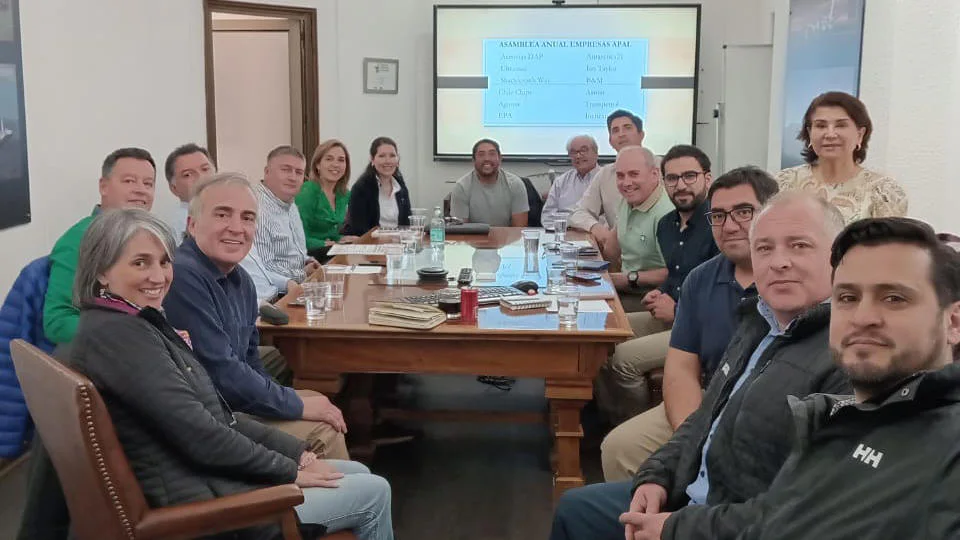
Punta Arenas, Chile – The APAL annual meeting, held on April 1, 2025, convened members to discuss key issues impacting Antarctic tourism and the association’s future strategy. The meeting addressed modifications to Antarctic tourism regulations, financial updates, and organizational restructuring.
APAL members reviewed changes to the Antarctic Tourism Decree 62, acknowledging the successful advocacy efforts that led to several modifications. These changes include the elimination of the requirement to report passengers’ personal data six months in advance and the extension of permit durations from one to three years. However, concerns were raised about a newly introduced requirement for apostilled passenger insurance, which adds complexity to the regulations.
The meeting also included a financial report, presented by the association’s manager, which detailed the 2024 expense items and a balance of approximately 30 million pesos. Discussions centered on potential investment options for the available funds.
Looking ahead, APAL members discussed the need to proactively respond to actions by Argentina and considered hiring a lobbyist to enhance the association’s influence with government ministries. The importance of participation in the Antarctic Policy Council was also emphasized.
In a move to strengthen the organization, the association’s secretary proposed redefining the board’s structure to include an intermediate number of directors and alternates to boost participation. The creation of specialized committees was also proposed.
Participants agreed to present the proposed statute modifications within a week. The meeting concluded with a call for active member engagement and sustained motivation to advance the association’s initiatives. Several members, including Jorge Insua (Chile Ship), Ricardo Cárcamo (B&M), and Juan Pablo Aros (Ian Taylor), were nominated to join the board.
Key decisions from the meeting include Enrique Ledantec’s commitment to revise the election method and structure of the board in the association’s statutes, and Carmen Patiño’s responsibility to schedule a meeting with the 12 directors to determine positions and review investment alternatives. Patiño will also submit the meeting minutes to the Ministry of Economy.